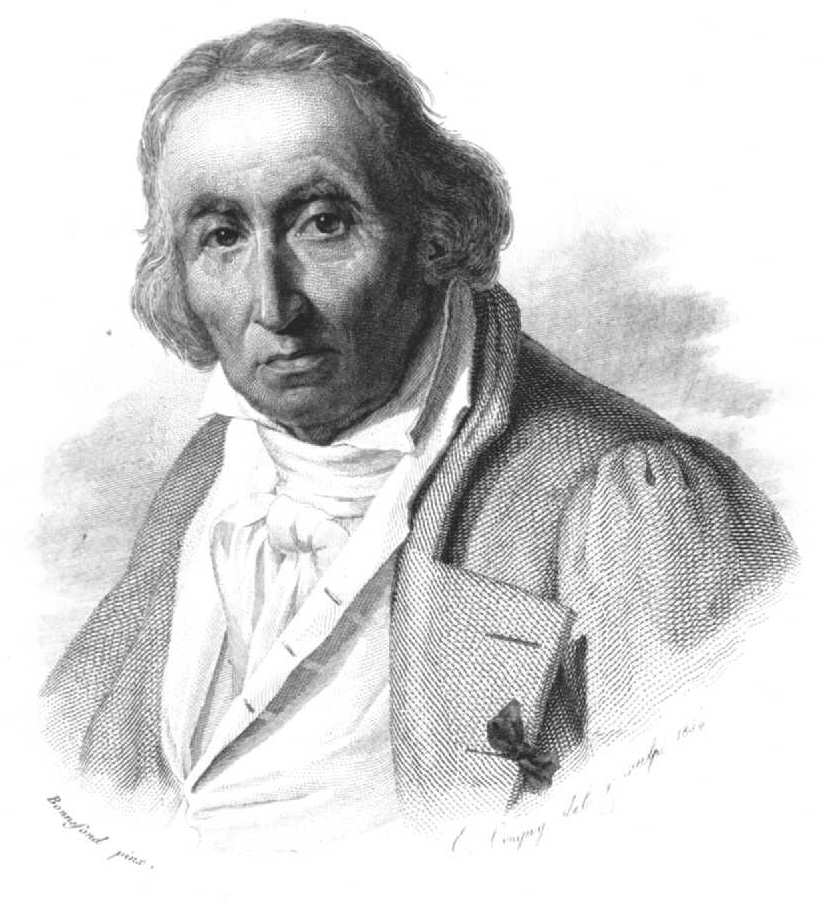
Joseph Marie Jacquard & The Jacquard Loom
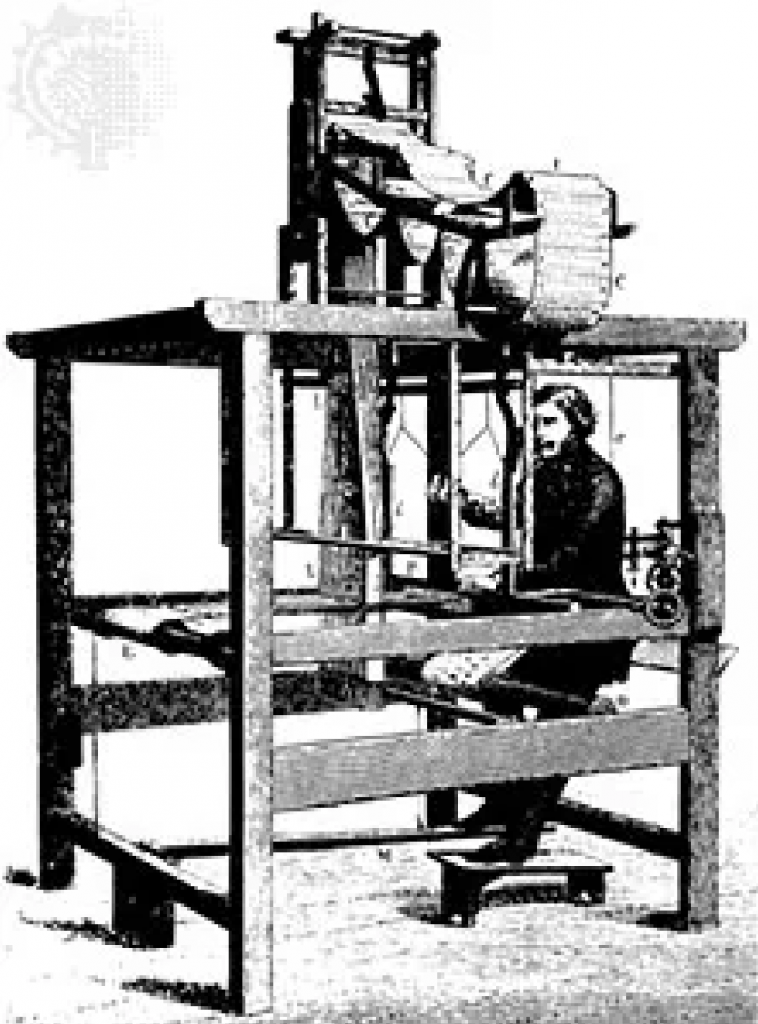
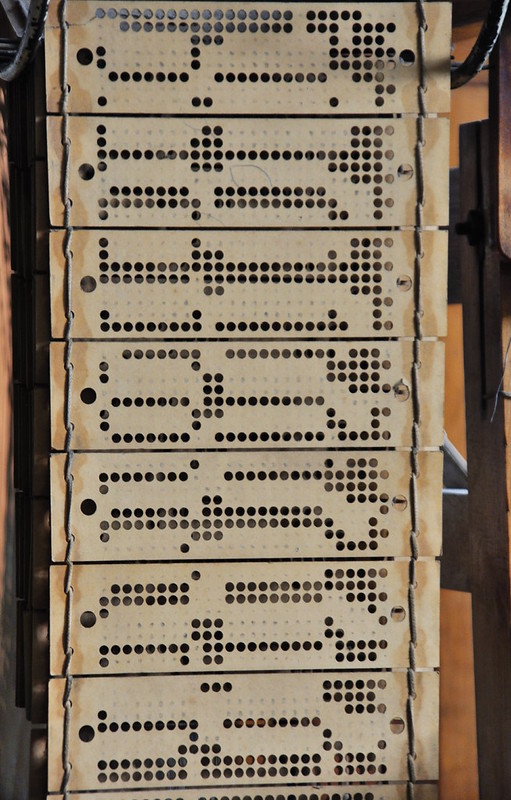
In 1804, Joseph Marie Jacquard developed the Jacquard loom, which used binary punched cards to automatically control woven patterns. By encoding instructions into interchangeable cards, the loom became one of the first programmable machines and established a direct link between textiles and computing.
Charles Babbage & the Analytical Engine
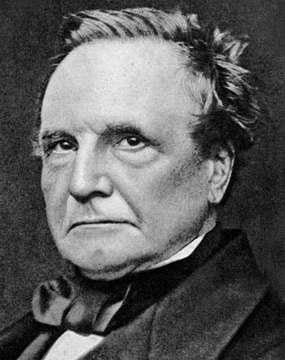
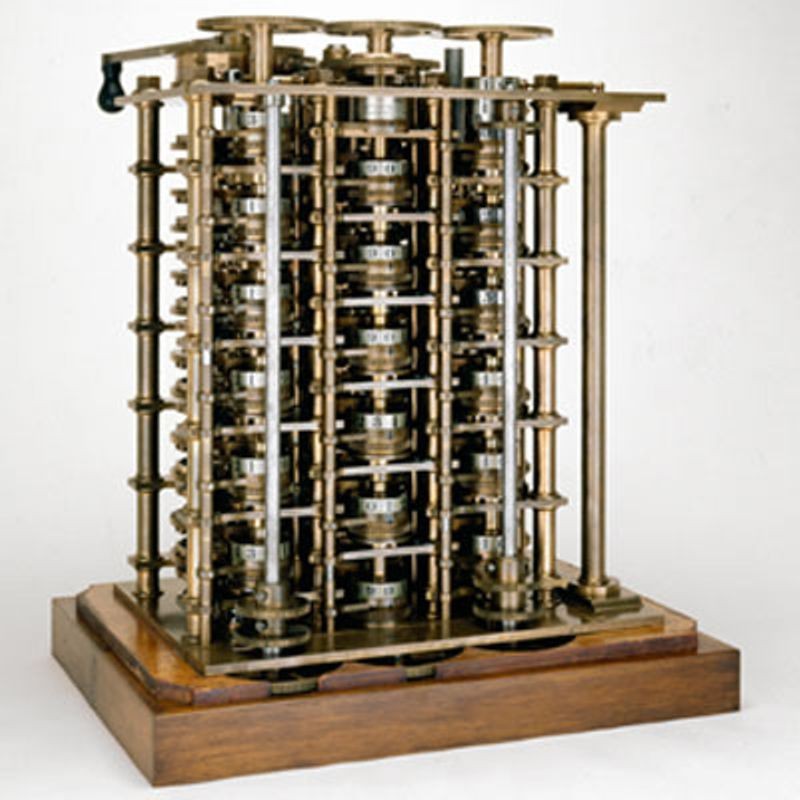
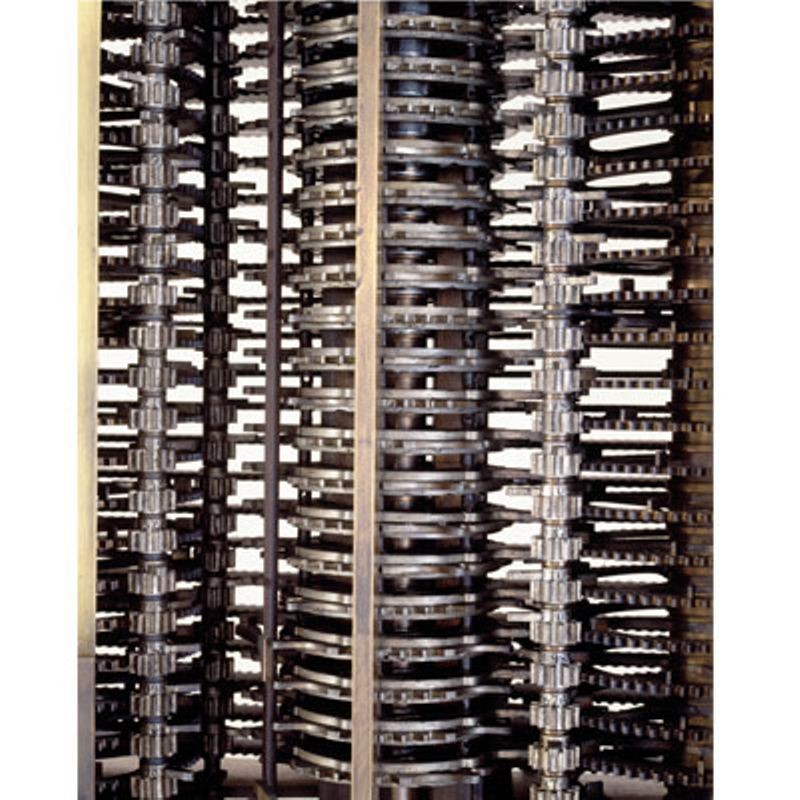
Inspired by the Jacquard loom, Charles Babbage incorporated punch-card control into his design for the Analytical Engine in the 1830s. Although never fully built, the machine is widely considered the first concept of a general-purpose computer.
Ada Lovelace
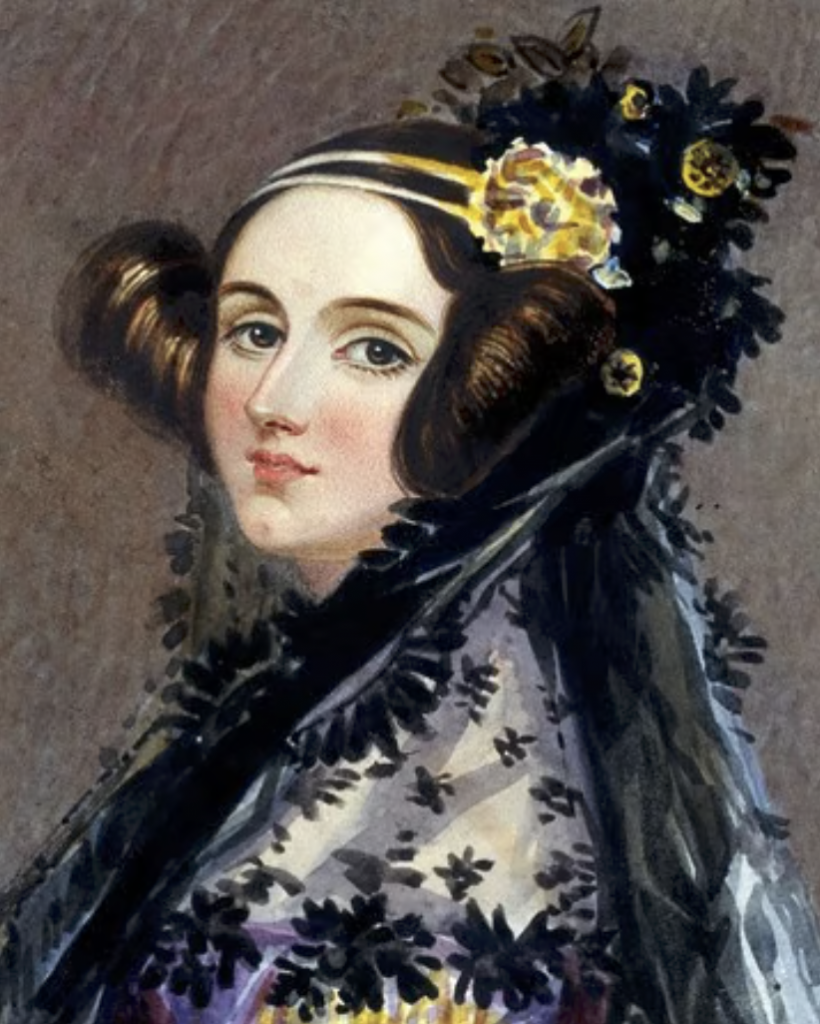
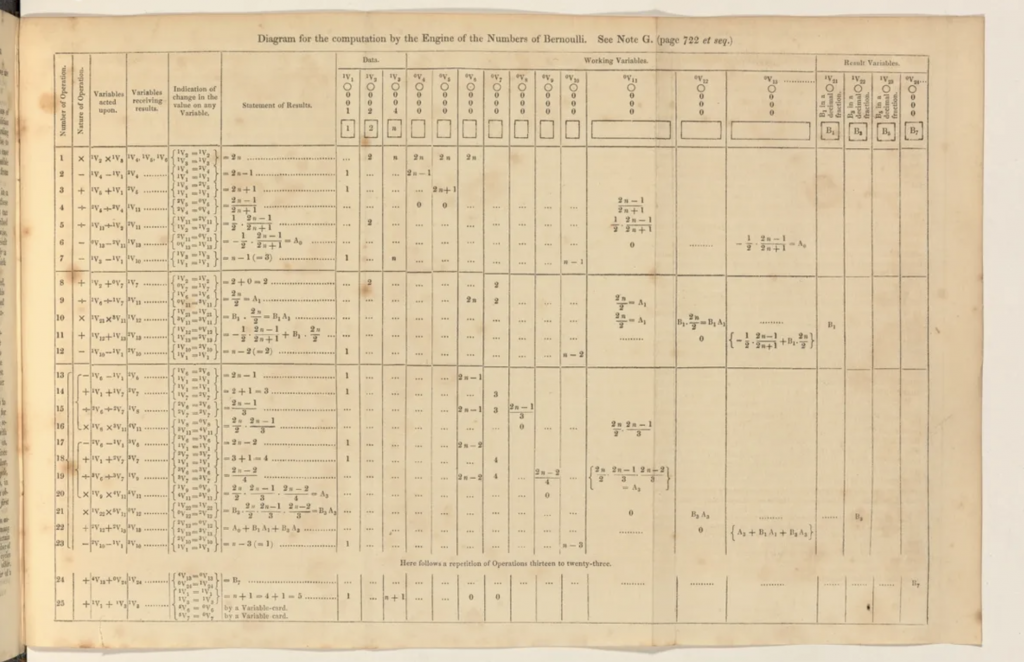
Working with Babbage’s Analytical Engine, Ada Lovelace realised that the machine could process symbols and patterns, not just numbers. Her notes included what is often considered the world’s first computer program, earning her recognition as the first programmer.
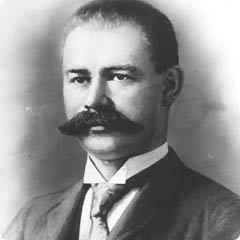
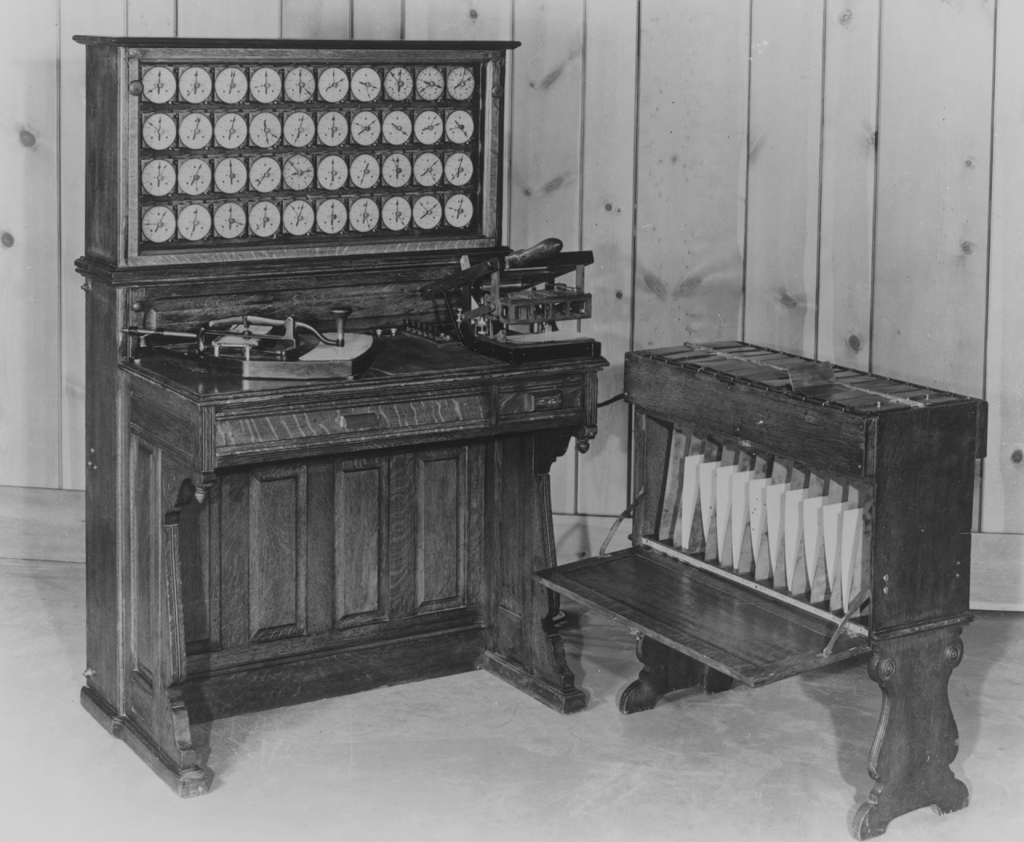
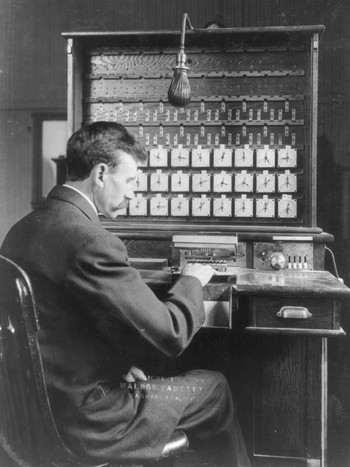
Herman Hollerith & punched-card tabulator
In 1890, Herman Hollerith used a punched-card tabulating system to process data for the U.S. Census, adapting a principle first used in textile machinery such as the Jacquard loom. By encoding information as holes in cards that could be read by machines, his invention greatly accelerated data processing and became a key stepping stone in the development of modern computing.
https://www.ibm.com/history/punched-card-tabulator